When disaster strikes your Connecticut home, filing a homeowner insurance claim can feel overwhelming. Whether you’re dealing with storm damage, water leaks, or fire loss, understanding how the claims adjustment process works in Connecticut protects your financial recovery and ensures you receive the full compensation your policy provides.
The reality is that insurance companies have teams of professionals working to minimize their payouts. As a Connecticut homeowner, you need to know your rights and understand when the insurance company’s offer falls short of covering your actual losses.
How Homeowner Insurance Claims Work in Connecticut
When you file a homeowner insurance claim in Connecticut, the insurance company assigns an adjuster to evaluate your damage. This adjuster works for the insurer, not for you. Their job is to interpret your policy language, assess the damage, and determine how much the company is willing to pay.
Connecticut law requires insurance companies to handle claims in good faith, but this doesn’t mean they’ll automatically offer you the maximum coverage available under your policy. In fact, initial offers are often significantly lower than the true cost of repairs or replacement.
The claims process typically follows these steps:
Initial Contact and Documentation: You report the loss to your insurance company and begin documenting the damage. Take photos, keep receipts, and maintain detailed records of everything affected.
Adjuster Assignment: The insurer assigns a staff adjuster or independent adjuster to evaluate your claim. Remember, this person represents the insurance company’s interests, not yours.
Property Inspection: The adjuster inspects your property, takes measurements, and creates an estimate for repairs or replacement costs.
Settlement Offer: Based on their assessment, the insurance company presents a settlement offer. This is where many Connecticut homeowners encounter problems, particularly when the initial offer undervalues the actual loss.
Common Issues with Homeowner Insurance Claims in Connecticut
Connecticut homeowners frequently face several challenges when adjusting their insurance claims:
Undervaluation of Damages: Insurance adjusters may miss hidden damage, use outdated pricing, or apply depreciation incorrectly. What appears to be a thorough inspection often overlooks critical repairs needed to fully restore your home.
Policy Interpretation Disputes: Insurance companies may interpret policy language in ways that limit coverage. Terms like “matching,” “code upgrades,” and “additional living expenses” can be subject to different interpretations.
Scope Disagreements: The adjuster’s repair scope may not include all necessary work. They might overlook smoke damage throughout the house after a kitchen fire, or fail to account for mold remediation after water damage.
Timing and Payment Issues: Connecticut regulations require prompt claim handling, but insurance companies may delay payments or drag out the adjustment process, leaving you financially strained during an already difficult time.
Your Rights as a Connecticut Homeowner
Connecticut General Statutes provide specific protections for policyholders dealing with homeowner insurance claims. You have the right to:
Receive a thorough investigation of your claim within a reasonable timeframe. Insurance companies cannot unreasonably delay the adjustment process.
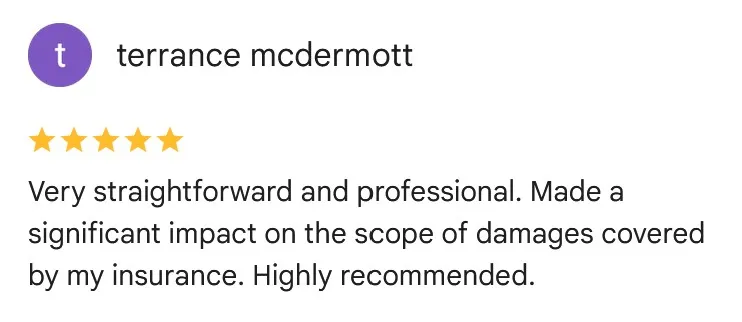
Hire your own public adjuster to represent your interests and ensure your claim is properly presented and valued. The Public’s Adjuster has provided insurance adjusting services since 2011 and is highly experienced in getting homeowners fair value for your insurance claim.
Challenge the insurance company’s valuation through the insurance appraisal process if you disagree with their settlement offer.
Request detailed explanations for any claim denials or coverage limitations. The insurance company must provide clear reasoning for their decisions.
Understanding these rights empowers you to push back when the insurance company’s offer doesn’t adequately cover your losses.
When to Consider Hiring a Public Adjuster for Your Homeowner Insurance Claim
If you’re struggling with any aspect of your homeowner insurance claim in Connecticut, hiring a public adjuster can significantly improve your outcome. Consider professional representation when:
The damage is extensive or complex: Large losses involving multiple areas of your home, or claims with complicated damage patterns, benefit from professional evaluation and presentation.
The insurance company’s offer seems too low: If the settlement offer won’t cover the cost of properly repairing or replacing your damaged property, a public adjuster can reassess the loss and fight for fair compensation.
You’re facing claim delays or denials: When insurance companies stall the process or deny coverage you believe should be provided, professional advocacy becomes essential.
You don’t have time to manage the claim: The claims process is time-consuming and complex. A public adjuster handles all communication with the insurance company, freeing you to focus on your family and getting your life back to normal.
The Appraisal Process for Connecticut Homeowner Insurance Claims
When you and your insurance company cannot agree on the value of your homeowner insurance claim, Connecticut law provides a solution: the insurance appraisal process. This formal dispute resolution mechanism is included in most homeowner policies and offers an alternative to costly litigation.
The appraisal process works by having each party select an independent, qualified appraiser to evaluate the loss. If the two appraisers cannot agree on a value, they jointly select an umpire who makes the final, binding decision.
This process focuses solely on the value of your loss, not whether damage is covered under your policy. If you believe your claim has been undervalued, invoking the appraisal clause can be an effective way to ensure fair compensation.
Protecting Your Interests During the Claims Process
Successfully adjusting your homeowner insurance claim in Connecticut requires preparation and knowledge. Take these steps to protect your financial recovery:
Document everything thoroughly: Photograph all damage before making any repairs. Keep detailed records of expenses, communications with your insurance company, and any temporary living costs.
Understand your policy: Review your coverage limits, deductibles, and any special provisions that might affect your claim. Don’t rely solely on the insurance company’s interpretation of your coverage.
Get multiple repair estimates: The insurance company’s preferred contractors may not provide comprehensive estimates. Independent contractors can identify damage the adjuster missed and provide more accurate pricing for repairs.
Don’t rush to settle: Insurance companies often pressure policyholders to accept quick settlements. Take time to ensure the offer truly covers all your losses and future needs.
Consider professional help early: Public adjusters can get involved at any stage of your claim, but earlier involvement often leads to better outcomes.
Moving Forward with Confidence
Adjusting a homeowner insurance claim in Connecticut doesn’t have to leave you feeling powerless against your insurance company. Understanding the process, knowing your rights, and recognizing when to seek professional help ensures you receive the fair settlement your policy provides.
Remember, the insurance company’s first offer is rarely their best offer. You have the right to challenge undervaluations, seek independent assessments, and demand fair treatment throughout the process.
If your homeowner insurance claim has been undervalued, denied, or delayed, don’t accept less than you deserve. Professional public adjusters understand how insurance companies operate and can level the playing field, ensuring your claim reflects the true cost of your loss.
Your home is likely your most valuable asset. When it’s damaged, you deserve a claims process that treats you fairly and provides the coverage you’ve been paying for. Don’t let the insurance company shortchange your recovery. Know your rights and use them to protect your financial future.
Note: This blog post is for informational purposes only; consult with a licensed adjuster or attorney for personalized guidance on your specific homeowner insurance claim.