A storm just ripped through your property. There’s a massive tree on your roof, across your driveway, or tangled in power lines. Your heart’s racing. The insurance company is your next call. But what happens after that?
If you’ve never dealt with a tree damage claim before, the process can feel confusing. Insurance adjusters, policy language, coverage limits. It’s a lot to sort through when you’re already stressed.
Does Homeowners Insurance Cover Tree Removal?
The short answer: it depends. Most homeowners policies cover tree removal when a fallen tree damages your home, garage, fence, or other covered structure. If a tree falls on your roof during a storm, your insurance will typically pay for both the tree removal and the repairs.
But here’s where it gets tricky. If a tree falls in your yard and doesn’t hit anything, most standard policies won’t cover the removal. The same goes for trees that are dead, dying, or poorly maintained. Insurers may deny the claim if they determine the damage was preventable.
The reality is that every policy is different. Coverage limits for tree removal are often capped at $500 to $1,000 per tree, with an overall cap on total debris removal. If you have multiple trees down, those limits add up fast.
Why Insurance Adjusters Can Be Your Biggest Ally
When you file a claim, an insurance adjuster will assess the damage. There are two types you should know about: company adjusters and public adjusters.
Company adjusters work for your insurance company. Their job is to evaluate your claim and determine what the insurer will pay. They’re not working against you, but their employer’s interests come first.
Public adjusters work for you. We review your policy, document your damage thoroughly, and negotiate with the insurance company on your behalf. We know what’s covered, what isn’t, and how to present your claim so you receive what you’re owed.
If you’re dealing with significant tree damage, especially if it involves your roof, siding, or other structures, having a public adjuster in your corner can make a real difference. We’ve seen too many homeowners accept lowball offers because they didn’t know they could push back.
What to Do Right After Storm Damage
Time matters. Here is what you should do immediately after a tree falls on your property:
Document everything. Take photos and videos of the damage from multiple angles. Capture the tree, where it fell, and any damage to your home or property. Do this before any cleanup or removal work begins.
Call a professional tree removal service. If the tree is creating an immediate hazard (blocking your driveway, on your roof, or near power lines), you need it handled safely and quickly. A reputable company like Precision Cutting Services can respond to emergency situations and document the removal process, which helps support your claim.
File your claim promptly. Contact your insurance company as soon as possible. Delays can complicate your claim, especially if you need to make temporary repairs to prevent further damage.
Don’t sign anything without understanding it. Insurance adjusters may present you with a settlement offer quickly. Before you accept, make sure you understand exactly what’s covered and whether the amount reflects the full cost of repairs and removal.
When to Bring in a Public Adjuster
Not every tree claim needs professional help. If a small branch damaged a section of fence and your insurer agrees to cover it, you can probably handle that yourself.
But if you’re dealing with a tree that crashed through your roof, damaged multiple structures, or caused interior water damage, that’s a different story. Complex claims often involve disputes over coverage, repair estimates, and hidden damage that isn’t immediately visible.
If your initial claim was denied or you feel the settlement offer doesn’t reflect your actual losses, a public adjuster can review your case. We often recover significantly more than what homeowners were initially offered.
Choosing the Right Tree Removal Company
The company you hire to remove the tree matters more than you might think. A good tree removal service will provide detailed documentation, including photos, written descriptions, and itemized invoices. This paperwork supports your insurance claim.
Look for a company that’s fully licensed and insured. Ask if they have experience working with homeowners on insurance claims. Some companies, like Precision Cutting Services in Connecticut, specifically help homeowners handle the insurance process. They understand what documentation adjusters need and how to present the work clearly.
Remember that the lowest quote isn’t always the best choice. A company that cuts corners on documentation can cost you money when it comes time to file your claim.
The Bottom Line
Dealing with tree damage is stressful enough without fighting your insurance company. Know your policy, document your damage, and don’t be afraid to ask for help. Whether that means hiring a professional tree service or bringing in a public adjuster to advocate for you, the goal is the same: getting your property restored and your life back to normal.
If you’re unsure whether your claim is being handled fairly, reach out. We’re here to review your situation and help you understand your options — no pressure, just honest advice.
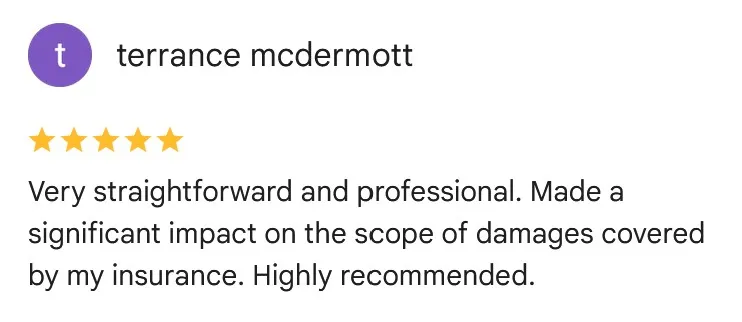
Real Customer review from our Google Business profile
Click for more reviews from satisfied customers: